History of Dominican Republic
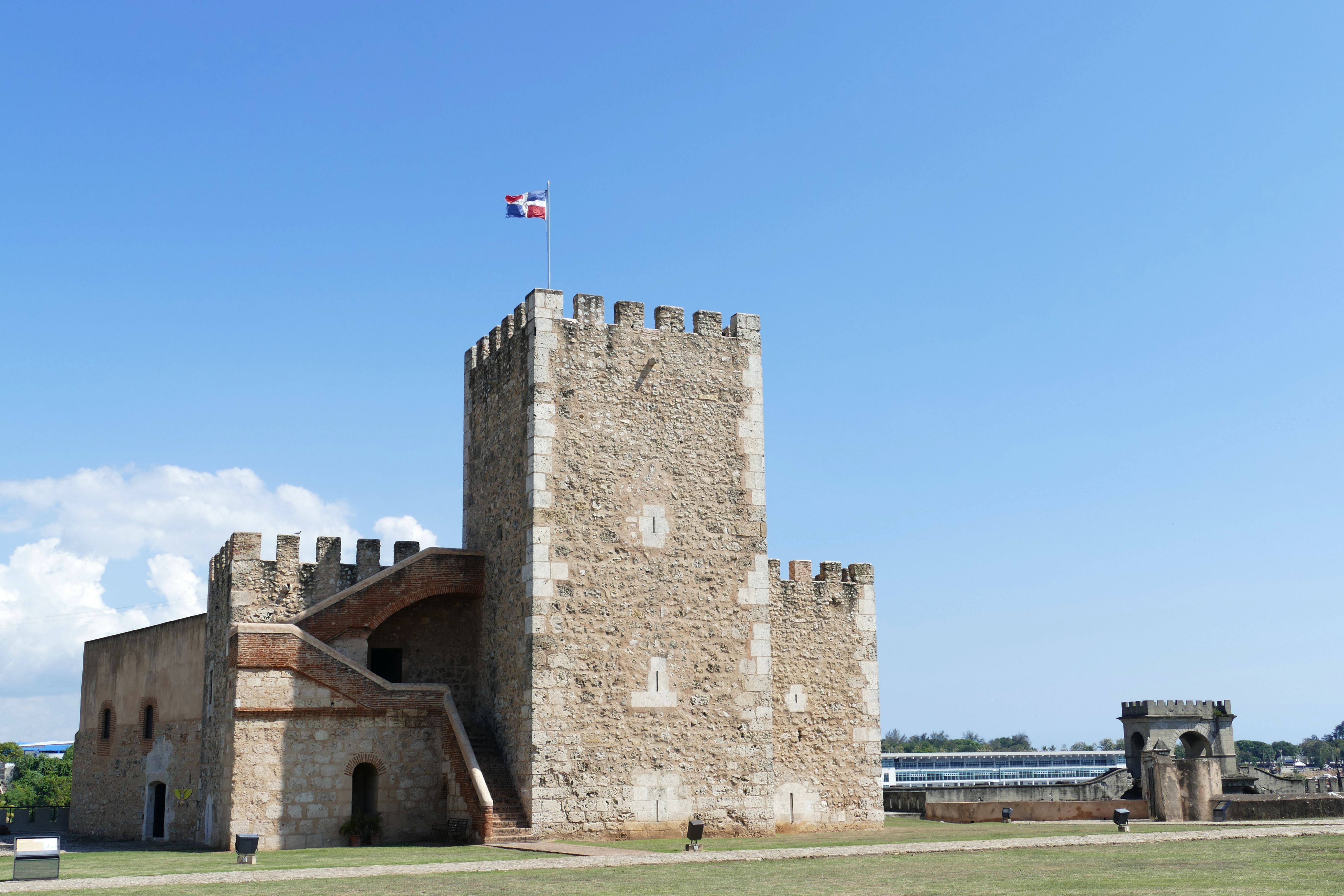
The Dominican Republic's history began with the indigenous Taíno people, followed by Christopher Columbus's arrival in 1492, marking the first Spanish colony in the Americas. After centuries of Spanish rule, French influence, and a 22-year Haitian occupation (1822-1844), the country declared independence in 1844. The nation experienced instability, U.S. interventions (1916-1924, 1965-1966), and the 31-year Trujillo dictatorship (1930-1961) before evolving into a modern representative democracy.Taino Era: The island of Hispaniola (named Quisqueya by natives) was divided into five Taíno chiefdoms before 1492.Spanish Colony: Columbus landed in 1492, establishing Santo Domingo (1496) as the first permanent European settlement in the Americas.
More history of dominican republic
Independence and Unrest (1821-1930) Independence Attempts: Known as "Ephemeral Independence," José Núñez de Cáceres declared independence from Spain in 1821, but it was quickly ended by Haitian annexation in 1822. Dominican War of Independence (1844): Led by Juan Pablo Duarte and his group La Trinitaria, the nation declared independence from Haiti on February 27, 1844. Restoration War (1863-1865): Following a voluntarily requested re-annexation by Spain (1861-1864), Dominican patriots fought to regain sovereignty permanently. U.S. Occupation (1916-1924): Political instability and debt led to a U.S. military occupation, which reorganized the government and military.
- Taíno (Pre-Columbian Era)
- The Taíno people were the indigenous Arawakan-speaking inhabitants who inhabited the island of Hispaniola long before European arrival. They organized their society into five large chiefdoms (cacicazgos), calling the eastern part of the island Quisqueya, meaning "mother of all lands". Taíno culture, including farming techniques and many words still used today, shaped the early island life before they were decimated by disease and forced labor under Spanish rule.
- Spanish Colonization (1492-1795)
- Christopher Columbus landed on the island in 1492, naming it La Isla Española, which soon became the center of Spanish power in the New World. Santo Domingo was founded in 1496 and became the oldest continuously inhabited European settlement in the Americas, featuring the first cathedral and university. The economy was driven by harsh slavery-based sugar production, resulting in significant African slave imports after the indigenous population declined.
- Haitian Occupation (1822-1844)
- Following a brief independence from Spain in 1821, the Dominican territory was invaded and annexed by Haiti, which took control of the entire island. Haitian president Jean-Pierre Boyer controlled the east for 22 years, abolishing slavery but imposing cultural restrictions and land reforms that angered many Dominicans. This period of control fostered a deep sense of Dominican nationalist identity, which was heavily influenced by anti-Haitian sentiment.
- La Trinitaria (Independence 1844)
- La Trinitaria was a secret society founded in 1838 by Juan Pablo Duarte, Francisco del Rosario Sánchez, and Matías Ramón Mella to fight for independence from Haiti. On February 27, 1844, they successfully declared independence, creating the First Dominican Republic. These leaders, known as the Padres de la Patria (Founding Fathers), led the nation into a war of independence against Haiti, which lasted over a decade.
- Trujillo Dictatorship (1930-1961)
- Rafael Trujillo established a ruthless personal dictatorship in 1930, controlling all aspects of life through fear, violence, and a strong cult of personality. During his "era," he engaged in intense economic modernization, such as promoting agricultural projects, while brutally eliminating political opponents. Trujillo’s regime, marked by the 1937 massacre of Haitians, finally ended with his assassination on May 30, 1961.